Cricket for Beginners: Understanding the Game’s Dynamics and Betting Opportunities


Cricket for Beginners: Understanding the Game’s Dynamics and Betting Opportunities
Cricket is one of the world’s most popular sports—especially in countries like England, India, Australia, and South Africa—but for many Americans, it remains a bit of a mystery. With its unique rules, long matches, and strategic depth, cricket can seem complex at first glance. Yet once you understand its rhythm, it reveals a fascinating blend of skill, patience, and tactics. This article introduces the basics of cricket and explores how newcomers can enjoy the game—and even explore its betting opportunities—with greater confidence.
What Is Cricket and How Is It Played?
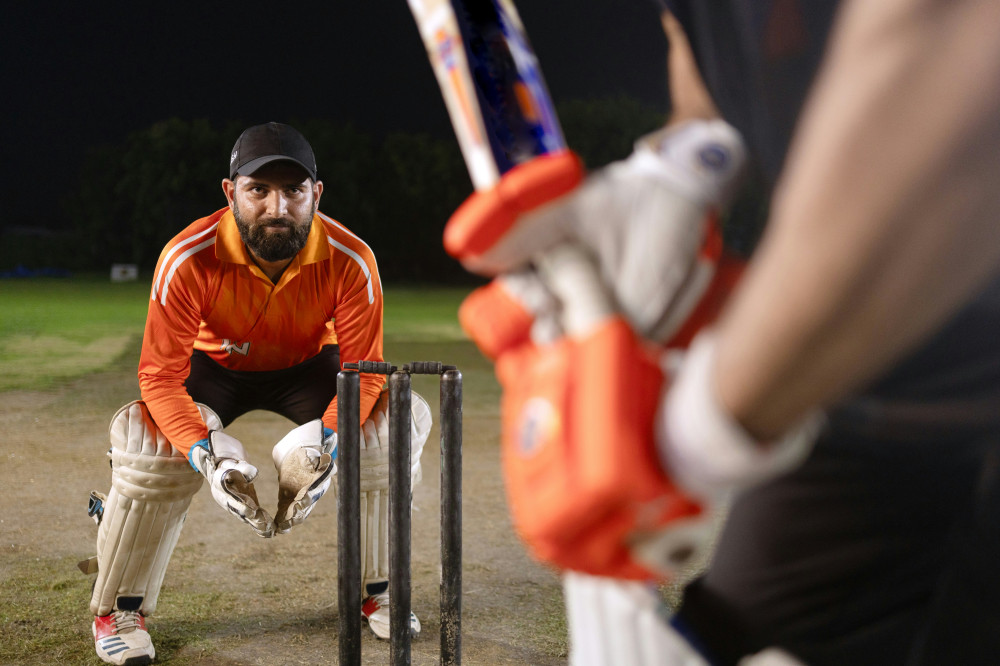
Cricket is played between two teams of eleven players each on an oval field. At the center lies a rectangular strip called the pitch. One team bats while the other bowls and fields. The bowler delivers the ball toward the batter, who tries to hit it and score runs by running between the two ends of the pitch or by hitting the ball to the boundary.
The defending team aims to dismiss the batters by hitting the wickets (three wooden stumps behind the batter), catching the ball after a hit, or using other methods defined by the rules. Once ten of the eleven batters are out, the teams switch roles. The team with the most runs at the end of the match wins.
The Main Formats of the Game
Cricket comes in several formats, each with its own pace and style:
- Test Cricket – The traditional form, played over up to five days. It emphasizes endurance, strategy, and mental toughness.
- One Day Internationals (ODI) – Each team faces 50 overs (an over equals six legal deliveries). Matches last about 6–8 hours.
- Twenty20 (T20) – The fast-paced, modern version where each team gets only 20 overs. Games last around three hours and are packed with action.
For beginners, T20 is often the best entry point—it’s quick, exciting, and easier to follow.
Key Rules and Terms to Know
Understanding a few essential terms will make watching cricket much more enjoyable:
- Run: The basic unit of scoring, earned when batters run between the wickets or hit the ball to the boundary.
- Over: A set of six deliveries bowled by the same player.
- Wicket: Can refer to the three stumps behind the batter or to a batter being dismissed.
- Catch: When a fielder catches the ball directly after it’s hit, the batter is out.
- LBW (Leg Before Wicket): A batter is out if their leg blocks a ball that would have hit the wicket.
Once you grasp these basics, the flow of the game—and the excitement of each play—becomes much clearer.
The Strategy Behind the Game
Cricket is as much about strategy as it is about athletic ability. Captains must decide which bowlers to use, how to position fielders, and when to attack or defend. Batters must read the bowler’s style, choose the right shots, and build partnerships that maximize scoring opportunities.
Bowlers, on the other hand, use variations in speed, spin, and line to deceive batters. This constant tactical battle between bat and ball is what makes cricket so intellectually engaging.
Betting on Cricket: What You Should Know
Cricket’s complexity and statistical richness make it a popular sport for betting worldwide. However, understanding the game’s structure is essential before placing any wagers.
Common types of cricket bets include:
- Match Winner: Predicting which team will win.
- Top Batter/Bowler: Betting on which player will score the most runs or take the most wickets.
- Over/Under: Wagering on the total number of runs in a match or innings.
- Live Betting: Placing bets during the game as odds shift in real time.
When betting on cricket, it’s wise to consider factors like team form, player performance, pitch conditions, and weather. Rain, for instance, can shorten or even cancel matches, affecting outcomes and odds.
Læs også:


Tips for New Fans
- Start with T20 leagues such as the Indian Premier League (IPL) or Major League Cricket (MLC) in the U.S.—they’re fast, entertaining, and beginner-friendly.
- Watch games with commentary that explains the rules and strategies as they unfold.
- Explore statistics—cricket is a data-rich sport, and understanding numbers can help you follow trends and make informed predictions.
- Bet responsibly if you choose to wager. Treat it as a way to enhance your enjoyment, not as a source of income.
A Sport of Tradition and Community
Cricket is more than just a game—it’s a global culture that unites millions of fans. From the packed stadiums of India to the growing cricket fields in the United States, the sport continues to expand its reach. For newcomers, it may take a little time to understand, but once you do, you’ll discover a world of strategy, drama, and camaraderie.
Whether you’re watching for fun or exploring the betting side, cricket rewards curiosity and patience. Every ball, every run, and every wicket tells a story—and once you learn the language of the game, you’ll never watch it the same way again.
Læs også: