Data Meets Intuition: Combining Analysis and Judgment in Esports


Data Meets Intuition: Combining Analysis and Judgment in Esports
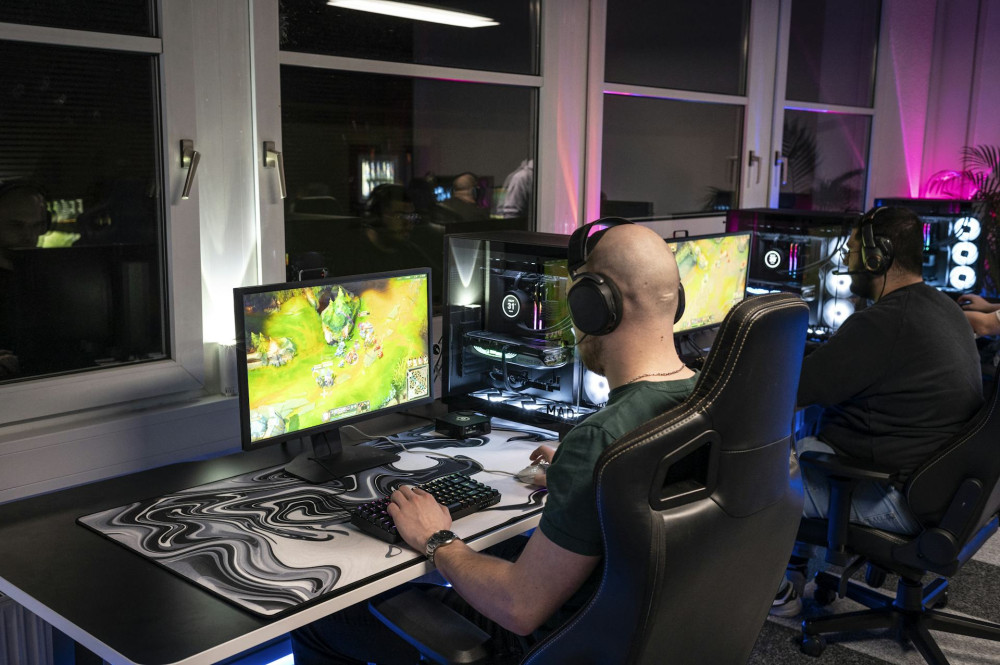
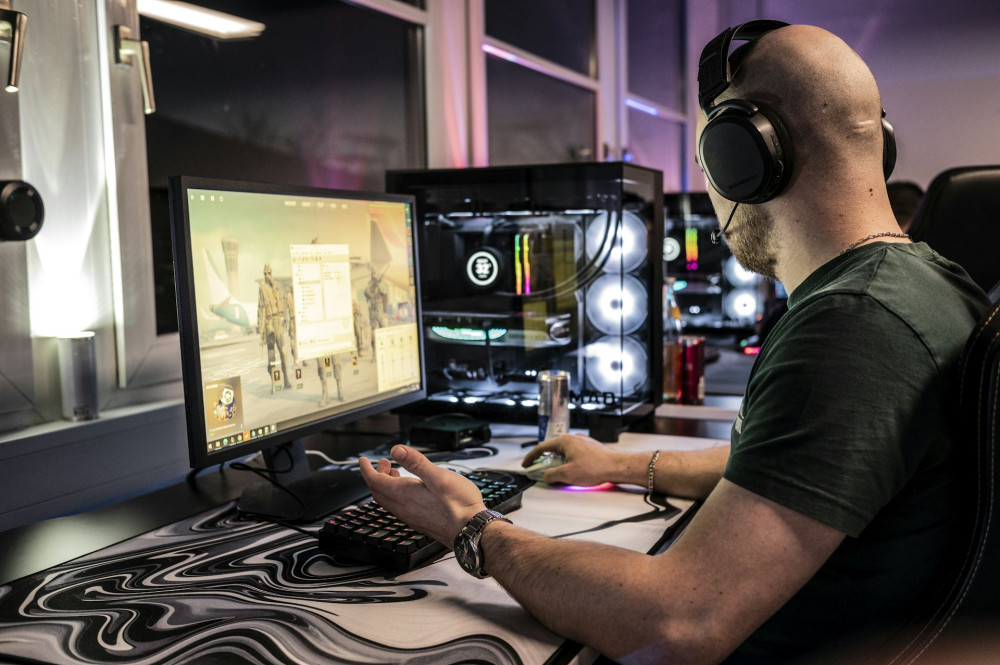
Esports today is far more than quick reflexes and precise mouse movements. Behind every successful team and standout player lies a blend of data analysis, strategy, and human intuition. In a world where milliseconds and micro-decisions can determine the outcome, the ability to balance numbers with instinct has become a defining factor—for players, coaches, and fans alike.
Statistics as the Foundation
Data has firmly established itself in the world of esports. Professional organizations collect massive amounts of information on everything from aim accuracy and movement patterns to in-game economy management in titles like Counter-Strike 2, Valorant, and League of Legends. These numbers help identify strengths, weaknesses, and trends—both within a team and among their opponents.
For coaches and analysts, data provides structure and clarity. It can reveal where a team loses momentum or how a player performs under pressure. But numbers alone rarely tell the full story. Statistics can explain what happens—but not always why.
The Role of Intuition in a Digital Arena
That’s where intuition comes in. It’s shaped by experience, game sense, and the ability to read situations that can’t be measured directly. A seasoned player might sense when an opponent is about to shift strategy or when it’s time to take a calculated risk, even if the data suggests otherwise.
Intuition isn’t guesswork—it’s the subconscious recognition of patterns seen before. In esports, where decisions must be made in fractions of a second, this kind of judgment can be the difference between victory and defeat.
When Analysis and Instinct Converge
The best teams know how to merge the two approaches. Data drives preparation, while intuition guides real-time decisions in the heat of competition. A great example is when a team changes tactics mid-match because they feel the opponent adapting—long before the numbers confirm it.
For coaches, the challenge is to build a culture where players understand data without becoming trapped by it. Analysis should inform decisions, not replace them. That balance requires trust, communication, and a shared understanding of how information translates into action.
The Impact on Esports Betting and Viewership
For fans and bettors, the balance between data and intuition also plays a role. Statistics can provide a solid foundation—showing how teams perform on specific maps or how a player fares against certain opponents. But factors like team chemistry, mental resilience, and day-to-day form can’t always be predicted.
Experienced bettors and analysts often combine both approaches. They study trends but also rely on their feel for the game when the numbers don’t tell the whole story. It’s in that intersection between measurable data and human insight that true understanding emerges.
Læs også:


The Future of Esports: More Data, More Humanity
With the rise of artificial intelligence and advanced analytics, data-driven insights will only become more central to esports. Yet, at the same time, there’s growing recognition that the game can’t be reduced to algorithms alone. Human creativity, improvisation, and intuition will continue to produce the moments that make esports so compelling.
Combining analysis and judgment isn’t just a strategy—it’s a necessity. In esports, as in so many other areas of life, it’s the interplay between knowledge and instinct that leads to the best results.
Læs også: