The Long Season: How Baseball’s Rhythm Shapes Your Betting Strategy


The Long Season: How Baseball’s Rhythm Shapes Your Betting Strategy
Baseball is unlike any other major American sport—not just in how it’s played, but in how it unfolds over time. With 162 games in a Major League Baseball season, the rhythm is slow but relentless. For bettors, that rhythm changes everything. Success isn’t about quick wins or hot streaks; it’s about patience, analysis, and understanding the game’s natural cycles. Here’s how the long season can shape—and strengthen—your betting strategy.
A Marathon, Not a Sprint
Unlike football or basketball, where teams play once or a few times a week, baseball is a daily grind from April through September. Form, fatigue, and motivation fluctuate constantly. A smart bettor knows that one week—or even one month—rarely tells the full story. Trends matter more than snapshots.
Think like a marathon runner: pace yourself, manage your bankroll, and be ready to adjust as the season evolves. The best strategies are built on steady observation and discipline, not impulse.
The Pitching Rotation: The Heartbeat of the Game
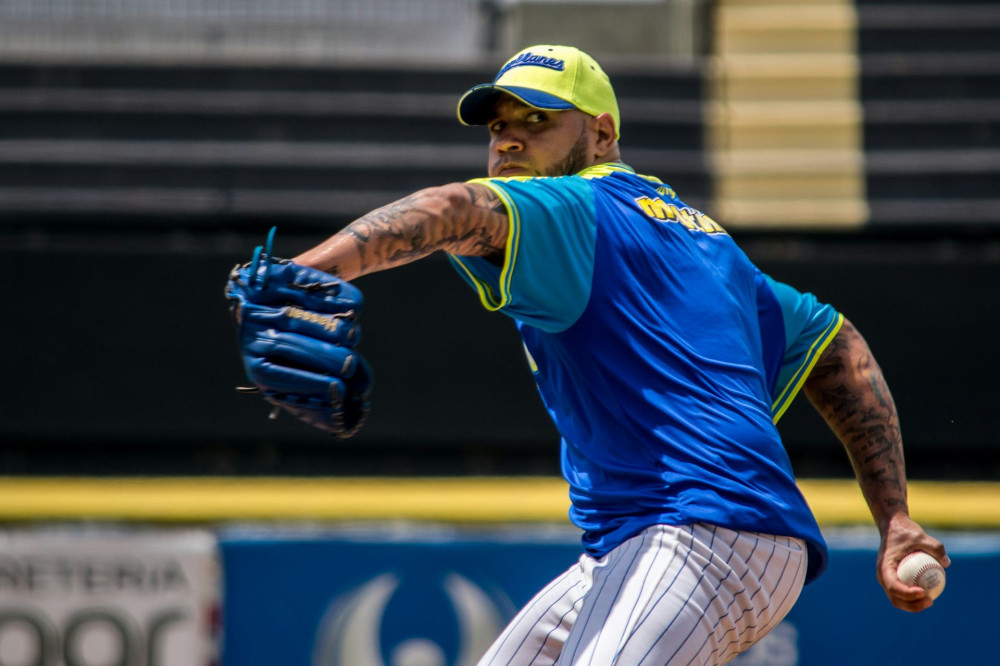
Pitching is the single most important variable in baseball betting. Each team typically uses a five-man rotation, meaning the quality of the starting pitcher can vary dramatically from game to game. Understanding that rotation—and where each pitcher stands in it—is key to finding value.
When analyzing a matchup, always consider:
- Who’s starting? A team’s ace can dominate, while a back-end starter might struggle.
- How rested is he? Fatigue and workload can affect performance.
- How does he match up historically? Some pitchers consistently struggle against certain lineups or ballparks.
By tracking rotations closely, you can anticipate when a team is likely to perform above or below expectations—and spot opportunities before the market adjusts.
Læs også:




Form and Momentum—With Caution
In baseball, “momentum” is a tricky concept. A team might win six straight, then lose the next five, without any real change in quality. The long season smooths out randomness, and short-term streaks often mean less than they appear.
That said, confidence and chemistry can matter, especially when a team finds a groove at the plate or in the bullpen. The key is to separate genuine improvement from statistical noise. Ask yourself: is this team truly better, or just benefiting from favorable matchups and luck?
Data: The Bettor’s Best Friend
Baseball is the most data-rich sport in the world. Every pitch, swing, and defensive play is tracked and quantified. For bettors, that’s a goldmine.
Some of the most useful metrics include:
- ERA (Earned Run Average): How many runs a pitcher allows per nine innings.
- OPS (On-base Plus Slugging): A measure of a hitter’s overall offensive production.
- WHIP (Walks and Hits per Inning Pitched): How many baserunners a pitcher allows per inning.
Combine these stats with context—weather, ballpark dimensions, travel schedules—and you can build a more complete picture of how a game might unfold. Advanced analytics like xFIP, wRC+, and Statcast data can further refine your edge.
Weather, Travel, and the Subtle Rhythms of the Season
Baseball is played outdoors, and conditions matter. Warm, dry air helps the ball carry farther, while cold or humid weather can suppress offense. Some parks—like Coors Field in Denver—are notorious for high-scoring games, while others favor pitchers.
Travel also plays a role. Teams on long road trips may show fatigue, while home teams often perform better after a rest day. Following these subtle rhythms can help you spot inefficiencies in the odds.
Bankroll Management: Staying Cool Through the Grind
The long season offers countless betting opportunities—but also countless chances to overextend. Discipline is everything. Set a consistent stake size, avoid chasing losses, and remember that variance is part of the game. Even the best bettors endure cold streaks.
Over 162 games, emotional control and bankroll management will do more for your bottom line than any single “lock” or hot tip.
When Autumn Arrives
As the regular season winds down, motivations shift. Teams out of contention may give younger players more time, while playoff-bound clubs might rest stars or adjust rotations. These changes can create new betting angles—if you’re paying attention.
Once the postseason begins, everything tightens. Short series, elite pitching matchups, and high-pressure situations make outcomes less predictable. Regular-season stats still matter, but experience, nerves, and managerial decisions take on greater weight.
Patience as a Strategy
Baseball rewards those who think long-term. The bettor who understands the game’s rhythm—when to act, when to wait, and when to walk away—has a clear advantage. It’s not about winning every day; it’s about letting small, smart decisions compound over time.
Just like the sport itself, baseball betting is a test of endurance, focus, and patience. Those who respect the rhythm of the long season are the ones most likely to finish strong when October arrives.
Læs også: