Traditions and Symbols: How Motorsport Culture Shapes Fan Identity and Loyalty

Traditions and Symbols: How Motorsport Culture Shapes Fan Identity and Loyalty
Motorsport is more than speed, engineering, and competition. It is a culture built on traditions, symbols, and rituals that create a sense of belonging and identity among fans. From the roar of engines at Daytona to the sea of red at a Ferrari fan zone, motorsport connects people through shared experiences that transcend geography and generations.
Colors, Flags, and Logos – The Visual Language of Racing
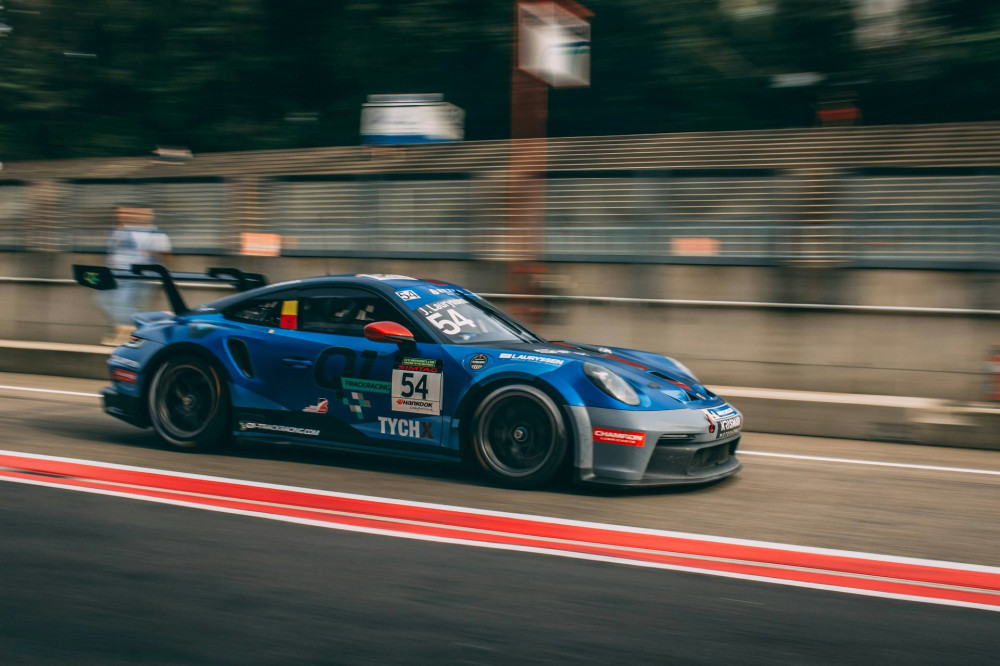
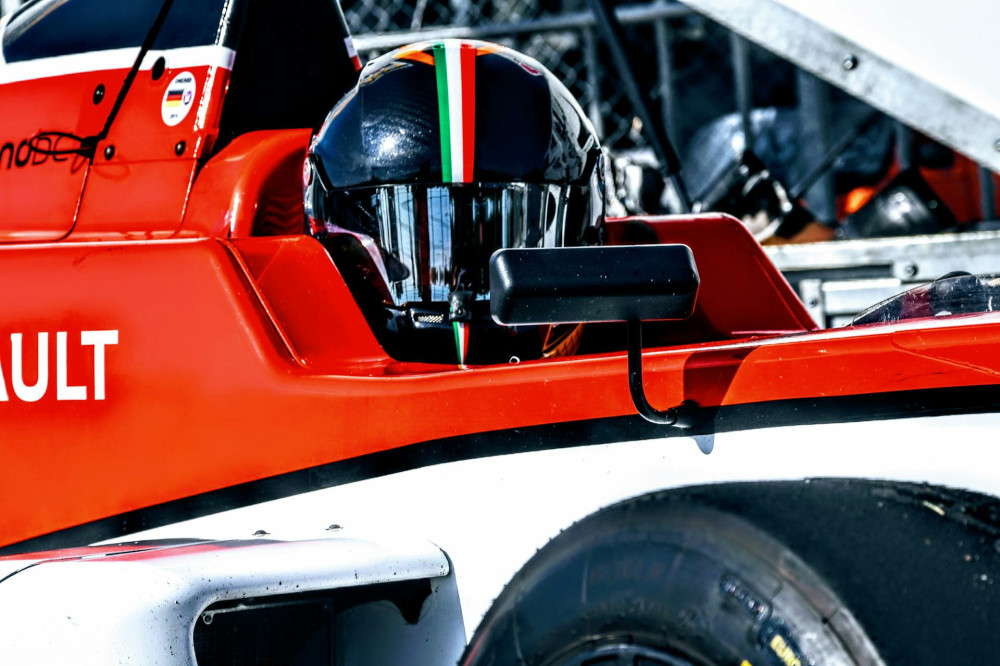
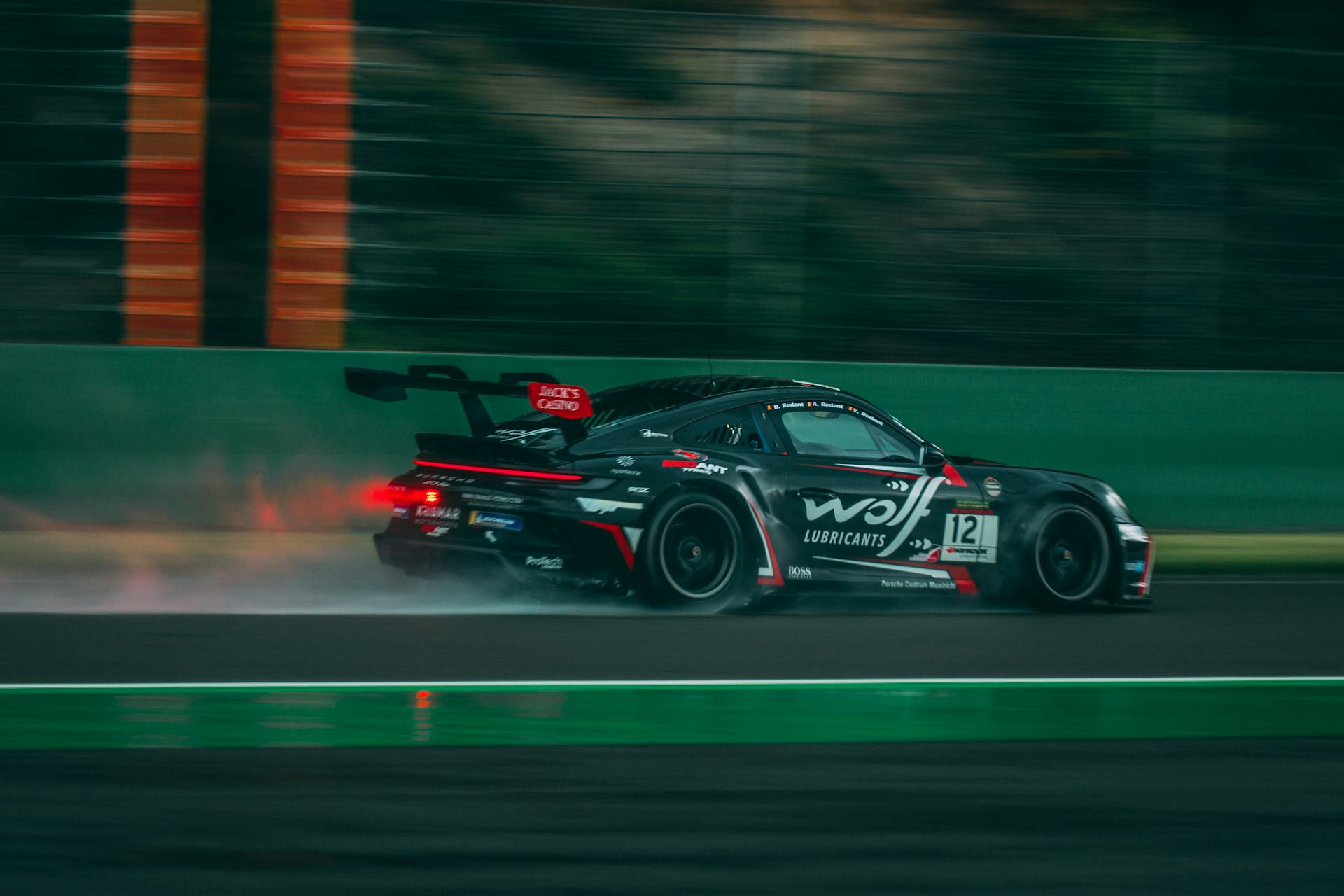
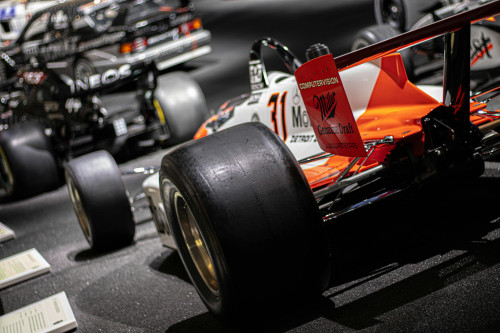
Every branch of motorsport has its own visual identity, and fans quickly learn to read and embrace it. In NASCAR, the bold car numbers and sponsor logos are instantly recognizable, while in Formula 1, team colors like Ferrari red, McLaren papaya, and Mercedes silver carry decades of history and emotion. These colors are more than branding—they are symbols of pride and loyalty.
The checkered flag, perhaps the most iconic symbol in all of racing, represents victory and closure. For fans, it’s a universal signal that evokes excitement and nostalgia. Whether it waves at the Indianapolis Motor Speedway or a local dirt track, it ties together the global racing community through a shared visual code.
Traditions That Keep the Spirit Alive
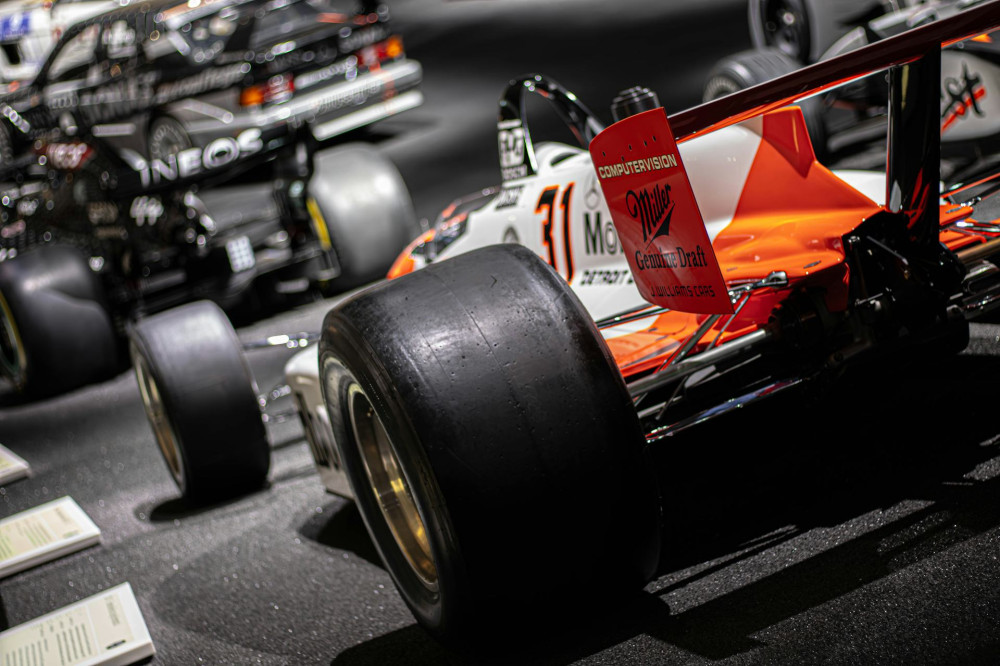
Motorsport thrives on tradition. The Indianapolis 500, the Daytona 500, and the 24 Hours of Le Mans are not just races—they are annual rituals that mark the passage of time for fans. Many families have attended the same race for generations, turning it into a cherished tradition that blends sport, travel, and togetherness.
Even small gestures become part of the sport’s collective memory: the winner drinking milk at Indy, the champagne spray on the podium, or the waving of the green flag to start a race. These rituals create continuity and familiarity, reminding fans that while technology evolves, the heart of the sport remains the same.
Community and Identity Among Fans
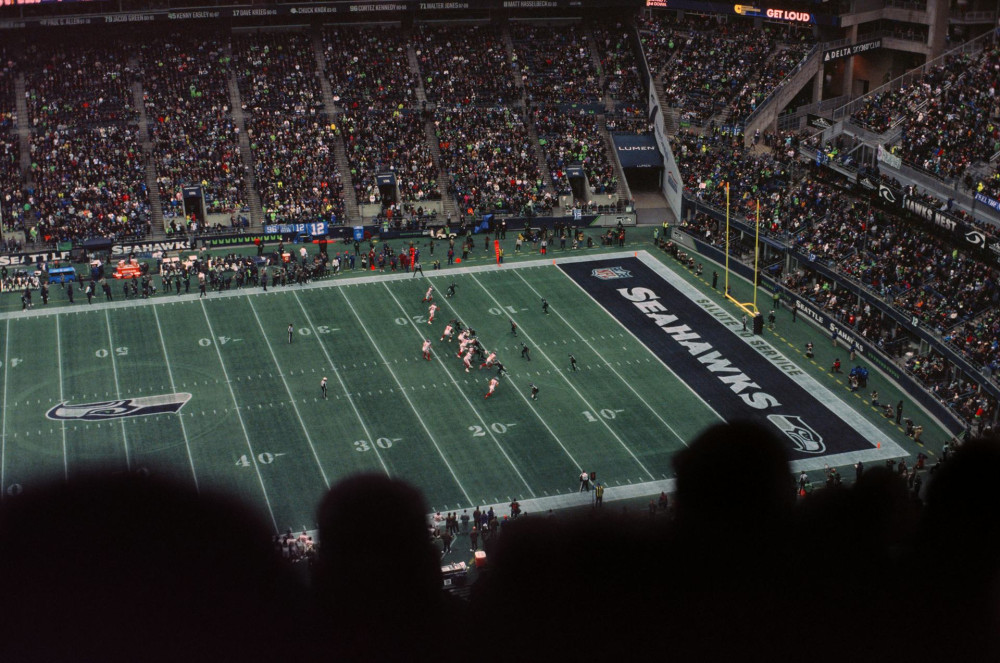
Being a motorsport fan is about more than cheering for a driver or a team—it’s about belonging to a community. Fans express their identity through team apparel, car decals, and memorabilia that signal their allegiance. At races, campgrounds and grandstands become temporary villages where strangers bond over shared passion and stories.
Online, fan communities thrive on social media and forums, where discussions range from technical analysis to nostalgic memories. These digital spaces allow fans from across the world to connect, debate, and celebrate together, reinforcing a sense of global camaraderie.
Heroes and Legends – When Drivers Become Symbols
The greatest drivers often transcend the sport itself. Figures like Dale Earnhardt, Mario Andretti, and Lewis Hamilton have become cultural icons, representing courage, precision, and perseverance. Their triumphs and tragedies are retold like modern myths, shaping how fans understand the values of the sport.
For many, these drivers embody ideals—risk-taking, innovation, and resilience—that fans admire and aspire to. They become symbols of what motorsport stands for: the pursuit of excellence under pressure.
Læs også:
Loyalty in a Commercial Era
In today’s world of corporate sponsorships, streaming platforms, and constant media coverage, it might seem that tradition is fading. Yet, it is precisely in this commercial environment that symbols and rituals gain new importance. They provide authenticity and continuity—anchors that fans can hold onto as teams change and new technologies emerge.
Loyalty in motorsport is not just about supporting a brand or a driver. It’s about preserving a culture where speed, skill, and passion intersect. Fans remain devoted not only to the competition but to the shared heritage that defines the sport.
A Culture That Keeps Moving
Motorsport culture is always evolving, but its traditions and symbols keep it grounded. They remind us why the sport captivates millions: it merges human ambition with mechanical mastery in a spectacle of emotion and precision. For fans across America and around the world, motorsport is more than a pastime—it’s a way of life, fueled by history, community, and the timeless thrill of the race.
Læs også: