Inside the Racetrack: What Factors Influence the Course of the Race?


Inside the Racetrack: What Factors Influence the Course of the Race?
When the gates fly open and the thunder of hooves fills the air, a horse race can be decided in mere minutes — yet countless factors shape the outcome. From the track surface to the jockey’s split-second decisions, every detail matters. For trainers, riders, and fans alike, understanding what influences the course of a race adds a deeper appreciation for the sport. Here’s a closer look at the key elements that can make the difference between victory and defeat on the racetrack.
The Track Surface – Where It All Begins
One of the most critical variables in any race is the track itself. In the United States, surfaces vary widely — from dirt to turf to synthetic — and each demands a different approach.
- Dirt tracks: The most common surface in American racing, dirt tracks tend to favor horses with early speed. A dry, fast track allows for quick times, but when rain turns it muddy, stamina and strength become more important.
- Turf courses: Found at many major tracks, turf surfaces are softer and can change dramatically with weather. Some horses excel on firm grass, while others thrive when the ground has more give.
- Synthetic tracks: Designed to provide consistency and reduce injuries, synthetic surfaces like Tapeta or Polytrack offer a middle ground. However, not every horse adapts easily, and trainers often experiment to find the right fit.
Trainers and jockeys study track conditions closely, adjusting shoeing, strategy, and pace to match the day’s footing. A horse that loves a “sloppy” track can gain a major edge when the rain starts to fall.
The Horse’s Condition and Temperament
Even the most talented horse can have an off day. Physical fitness, mental focus, and overall health all play a role in performance. A horse that’s well-rested, alert, and confident will respond more effectively to its rider and the rhythm of the race.
American trainers invest weeks — sometimes months — in conditioning programs that balance strength, endurance, and recovery. Nutrition, veterinary care, and even mental calm are part of the equation. Some horses are fiery competitors who thrive on the excitement of race day, while others need a quiet environment to stay composed.
The Jockey’s Role – Strategy in Motion
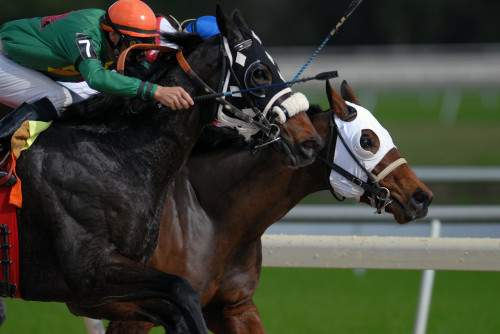
A jockey is far more than a passenger. Their job is to read the race as it unfolds, making tactical decisions in fractions of a second. Knowing when to hold back, when to move up, and when to unleash the final drive can determine the outcome.
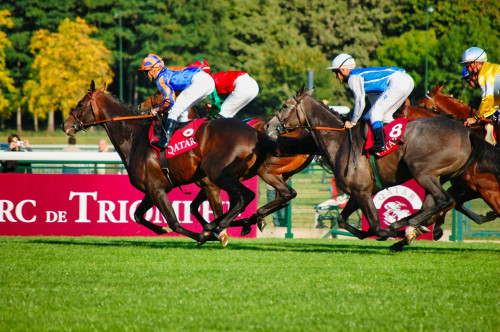
Positioning is crucial. Falling too far behind early can leave too much ground to make up, while pushing too soon can drain a horse’s energy before the finish. Communication between horse and rider — through subtle shifts in weight, rein pressure, and rhythm — is an art form that separates the good from the great.
Post Position and Race Strategy
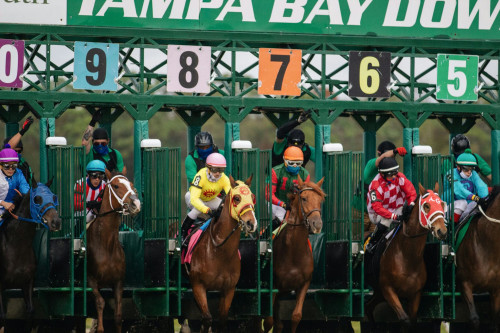
The starting gate draw can have a surprising impact, especially in shorter races. An inside post can offer a shorter path around the turns but risks getting boxed in. An outside post provides more freedom but may require extra effort to stay in contention.
Trainers and jockeys craft their game plan around the post position, the competition, and the horse’s natural running style. Some horses are front-runners who perform best when setting the pace, while others are “closers” that surge from behind in the final stretch.
Læs også:

Weather and Wind – Nature’s Wild Card
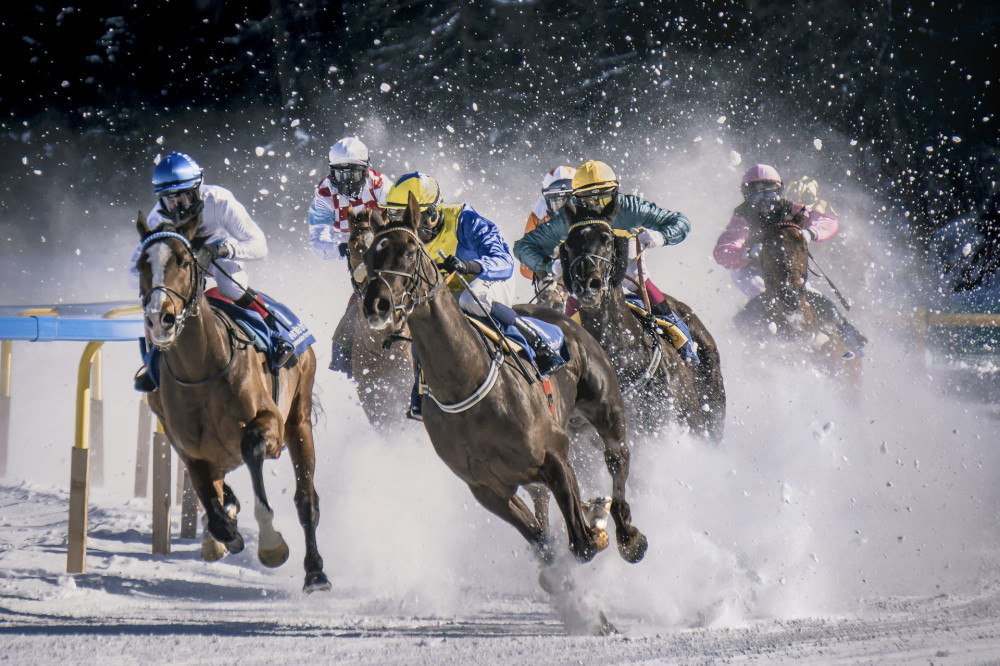
Weather can change everything. A sudden downpour can turn a fast dirt track into a muddy slog, while heat and humidity can test a horse’s endurance. Wind, too, plays a role — a strong headwind on the backstretch can slow the pace, while a tailwind can help a late charge.
Experienced jockeys use these conditions to their advantage, tucking in behind other horses to conserve energy or timing their move when the wind is at their back. Trainers also monitor temperature and air quality, as both can affect a horse’s breathing and stamina.
The Trainer’s Preparation and Teamwork Behind the Scenes
Behind every racehorse stands a dedicated team — trainers, grooms, exercise riders, and veterinarians — all working to bring the horse to peak condition. Their daily routines include feeding, grooming, therapy, and careful observation for any signs of fatigue or injury.
A skilled trainer knows not only their own horse’s strengths and weaknesses but also those of the competition. Choosing the right race, distance, and surface is a strategic decision, often based on months of data and experience. In many ways, it’s a chess match played at full gallop.
The Crowd and the Atmosphere
While horses don’t understand betting odds or prize money, they do sense the energy around them. The roar of the crowd, the music, and the tension in the air can either excite or unsettle them. Some horses feed off the adrenaline, while others need calm reassurance from their handlers.
For jockeys and fans alike, this atmosphere is part of what makes racing so thrilling — a moment when human and animal performance meet under the spotlight of competition.
A Symphony of Variables
No two races are ever the same. The beauty of horse racing lies in its unpredictability — the interplay of skill, instinct, environment, and chance. Every horse, every track, and every day brings new challenges and opportunities.
For those who follow the sport closely, it’s not just about picking the winner. It’s about understanding the intricate web of factors that shape each race — the subtle details that, together, decide who crosses the finish line first.
Læs også: