Temperament and Racing Style: How to Use a Horse’s Personality in Your Betting Strategy

Temperament and Racing Style: How to Use a Horse’s Personality in Your Betting Strategy
When it comes to betting on horse racing, most players focus on form, speed figures, and jockey stats. But there’s another layer that often separates the casual bettor from the sharp one: the horse’s temperament and racing style. A horse’s personality—how it reacts to pressure, crowds, and competition—can make all the difference between a strong finish and a disappointing fade. Understanding these traits can help you spot value that others might overlook.
Temperament – The Horse’s Mental Engine
Temperament is essentially a horse’s personality in motion. Some horses are calm and steady, while others are fiery, anxious, or stubborn. These traits influence how they handle the starting gate, the noise of the crowd, and the intensity of the race itself.
- The calm type tends to perform best in longer races where rhythm and patience matter. These horses conserve energy and don’t get rattled by traffic or pace changes.
- The hot-blooded type breaks fast and loves to lead but can burn out early if not managed carefully. They need a jockey who can keep them balanced and focused.
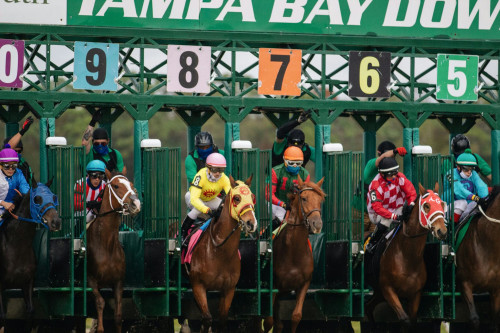
- The nervous type may struggle in large fields or chaotic environments but can excel on smaller tracks or when racing in familiar surroundings.
When reading race previews or trainer comments, pay attention to phrases like “laid-back,” “high-strung,” or “hard to settle.” These clues can tell you how a horse might handle the day’s conditions.
Racing Style – How a Horse Uses Its Speed
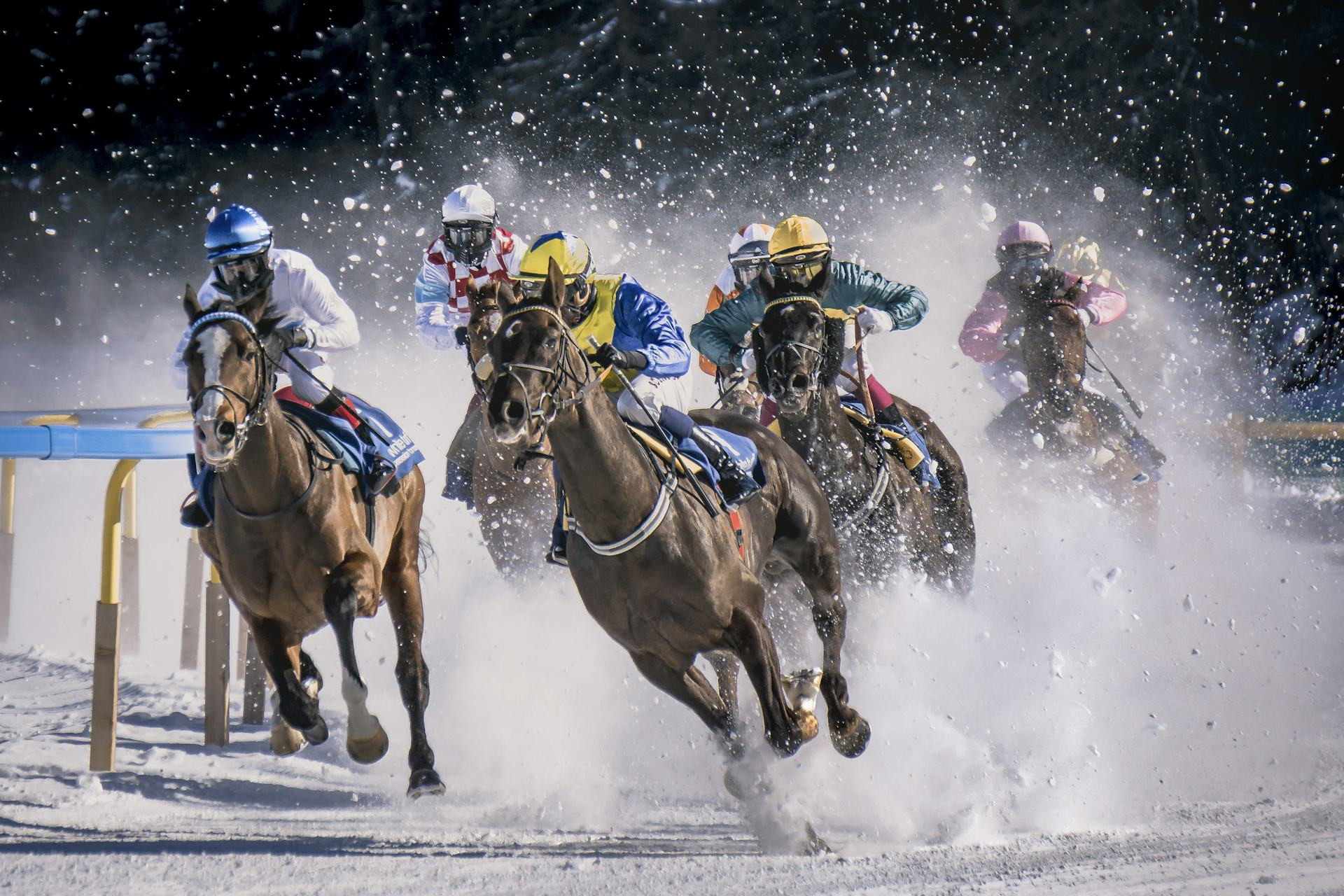
A horse’s racing style describes how it distributes its energy throughout the race. Some like to take the lead early, while others prefer to sit back and make a late charge.
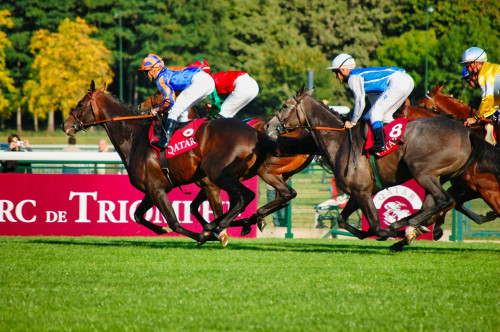
- Front-runners thrive when they can control the pace from the start. If they get an uncontested lead, they can be tough to catch. But if they’re pressured early, they often fade late.
- Stalkers sit just behind the leaders, waiting for the right moment to strike. They need a race with a solid pace but not one that turns into a sprint at the end.
- Closers stay near the back early and rely on a strong finishing kick. They benefit from fast early fractions that tire out the leaders.
- Grinders maintain a steady rhythm and wear down opponents over distance. They’re often best suited to longer races or tracks with deeper surfaces.
Knowing a horse’s preferred running style helps you evaluate whether today’s track, distance, and pace scenario will play to its strengths. For example, a front-runner might struggle on a sloppy track, while a closer could thrive if the early pace is hot.
The Connection Between Temperament and Style
Temperament and racing style are closely linked. A high-strung horse often insists on leading, while a calm, patient horse can handle sitting behind the pack. However, experience and training can modify these tendencies. Some horses learn to relax with age or under the guidance of a skilled jockey who understands their quirks.
That’s why it’s worth tracking a horse’s behavior over time. Does it still fight the jockey early, or has it learned to settle? Has it become more consistent in its finishes? These patterns can reveal whether a horse is maturing mentally—a key factor in predicting future performance.
How to Use Personality in Your Betting Strategy
When analyzing a race, ask yourself:
- Does the horse’s temperament fit the race environment? A nervous horse might underperform in a big, noisy event like the Kentucky Derby but excel in a smaller allowance race.
- Does its racing style match today’s conditions? A closer might benefit from a fast pace on a long stretch track like Belmont Park, while a front-runner could dominate on a speed-favoring surface like Gulfstream.
- Is the jockey a good match? Some riders are known for calming excitable horses, while others excel at letting aggressive types roll early.
- Are there equipment or tactical changes? Blinkers, shadow rolls, or a new running strategy can dramatically affect how a horse behaves and performs.
By combining these insights with traditional handicapping factors—form, post position, and class—you can build a more complete picture of each contender and uncover hidden betting opportunities.
Læs også:

Real-World Examples
Many bettors have seen horses that only perform well when allowed to lead. If they get trapped behind others, they lose interest. Conversely, some horses panic when forced to the front too soon and need to be held back until the stretch. Watching replays and noting how a horse reacts under different circumstances can reveal these tendencies.
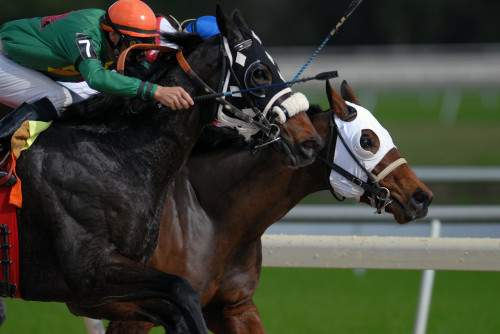
Pay attention to body language in the stretch: does the horse dig in when challenged, or does it flatten out once passed? That mental toughness—or lack of it—can be the difference between a win and a near miss.
A Holistic Approach Leads to Smarter Bets
Understanding a horse’s temperament isn’t about guessing emotions—it’s about observing behavior and patterns. Temperament and racing style are as crucial as speed figures and past performances because they determine how a horse uses its ability on race day.
When you learn to read these signals, you gain a deeper, more realistic understanding of what to expect—and that insight can give you a valuable edge when it’s time to place your bets.
Læs også: