Track Conditions and Starting Positions: How They Affect Race Dynamics

Track Conditions and Starting Positions: How They Affect Race Dynamics
When the gates open and the horses surge forward, it’s easy to think that speed and strength alone decide the outcome. But behind every race lies a complex web of factors that shape how it unfolds—none more influential than track conditions and starting positions. For trainers, jockeys, and bettors alike, understanding these elements is key to predicting how a race might play out.
The Track Surface – From Fast to Sloppy
Track conditions are among the most critical variables in horse racing. In the United States, most thoroughbred races are run on dirt or turf, and both surfaces can change dramatically depending on the weather.
- Fast track (dirt): A dry, firm surface that allows for quick times and favors horses with natural speed and efficient stride mechanics. Front-runners often thrive here, as they can maintain momentum without much resistance.
- Sloppy or muddy track (dirt): After rain, the surface becomes heavier and more tiring. Horses with strong builds and good traction—often those with experience in similar conditions—tend to perform better. Some horses, known as “mudders,” even seem to relish the challenge.
- Firm or yielding turf: On grass, the degree of moisture can make a big difference. A firm turf plays fast, while a yielding or soft turf slows the pace and rewards stamina and balance.
Track superintendents in the U.S. monitor moisture levels closely, and bettors pay attention to official designations like fast, good, sloppy, or yielding. A horse that excelled on a dry track at Santa Anita might struggle on a rain-soaked afternoon at Churchill Downs.
Læs også:

The Importance of the Starting Gate
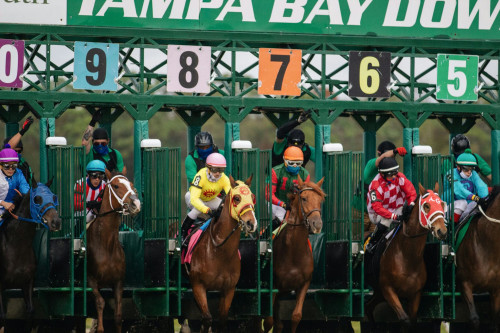
Starting position—often referred to as the “post position”—can be the difference between victory and defeat, especially in shorter races. On oval tracks, the inside posts cover less ground, but they can also lead to traffic problems if the horse doesn’t break sharply.
- Inside posts: Offer the shortest route around the turns but require a quick start to avoid being boxed in.
- Middle posts: Provide flexibility, allowing the jockey to decide whether to press the pace or settle behind the leaders.
- Outside posts: Can be a disadvantage on tight turns, but they give the jockey more room to maneuver and avoid congestion.
At tracks like Saratoga or Del Mar, where the first turn comes up quickly, inside posts are often coveted. On longer routes, the impact of post position tends to diminish, but it still shapes the early tactics of the race.
Strategy and Pace – When Conditions Collide
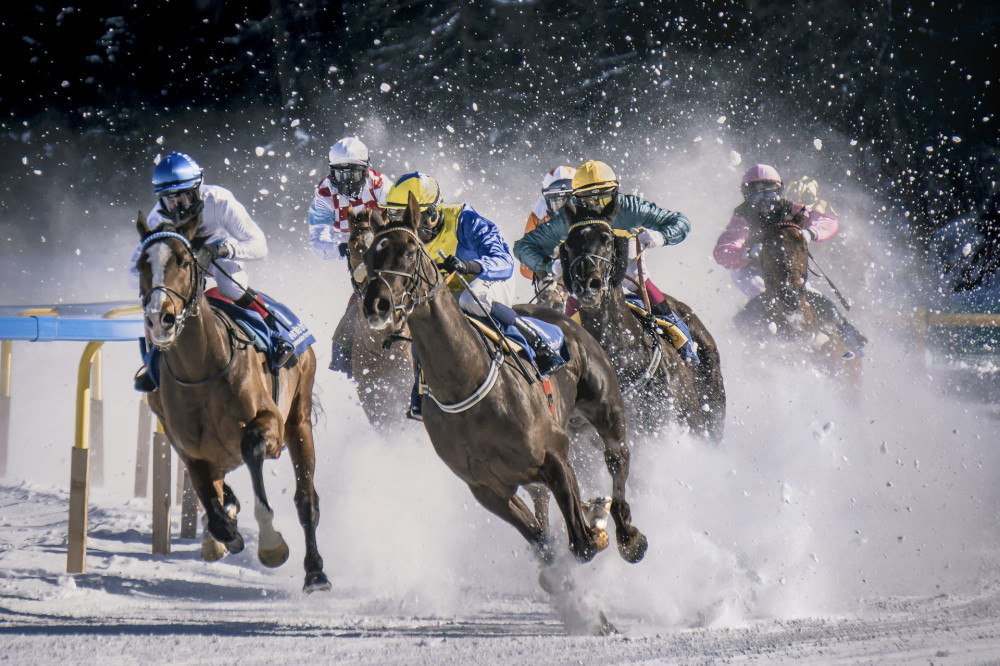
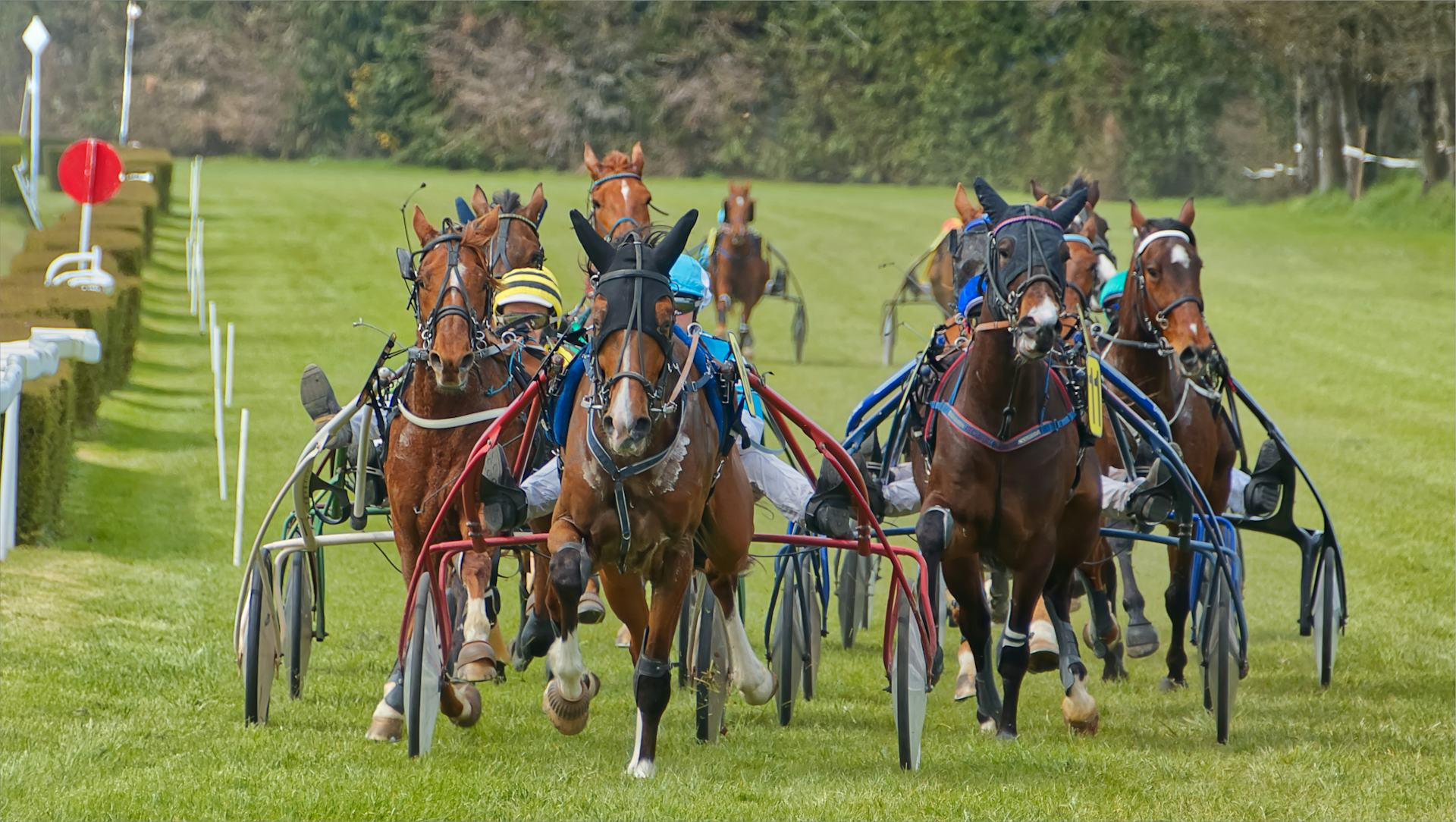
Track conditions and starting positions don’t just affect individual horses—they influence the entire rhythm of a race. On a fast track with several speed horses drawn inside, the early pace can be blistering, setting up a late charge from closers. On a sloppy track, where footing is more demanding, front-runners may slow the tempo, making it harder for horses coming from behind to catch up.
A skilled jockey reads these dynamics in real time. Knowing when to push for position and when to conserve energy can make all the difference. The best riders adapt their strategy not only to their horse’s strengths but also to how the track is playing that day.
For Bettors: Read the Track Before You Wager
For handicappers, interpreting track conditions and post positions is both an art and a science. A good starting point is to review a horse’s past performances under similar circumstances. Has it shown an affinity for wet tracks? Does it tend to break well from outside posts?
Most U.S. tracks publish detailed track reports and weather updates on race day. Serious bettors combine this information with speed figures, pace projections, and trainer statistics to form a complete picture of how the race might unfold.
A Complex Equation
A horse race is never just about raw speed. It’s a blend of preparation, positioning, and adaptability. The track’s texture, the draw of the gate, the jockey’s split-second decisions—all interact to create the drama that unfolds down the stretch.
For trainers and riders, success depends on preparation and flexibility. For fans and bettors, it’s about reading the subtle cues that shape each race. That intricate balance of skill, strategy, and unpredictability is what makes horse racing in America so endlessly captivating.
Læs også: