Think Long-Term – Avoid Chasing Quick Wins in Your Horse Betting

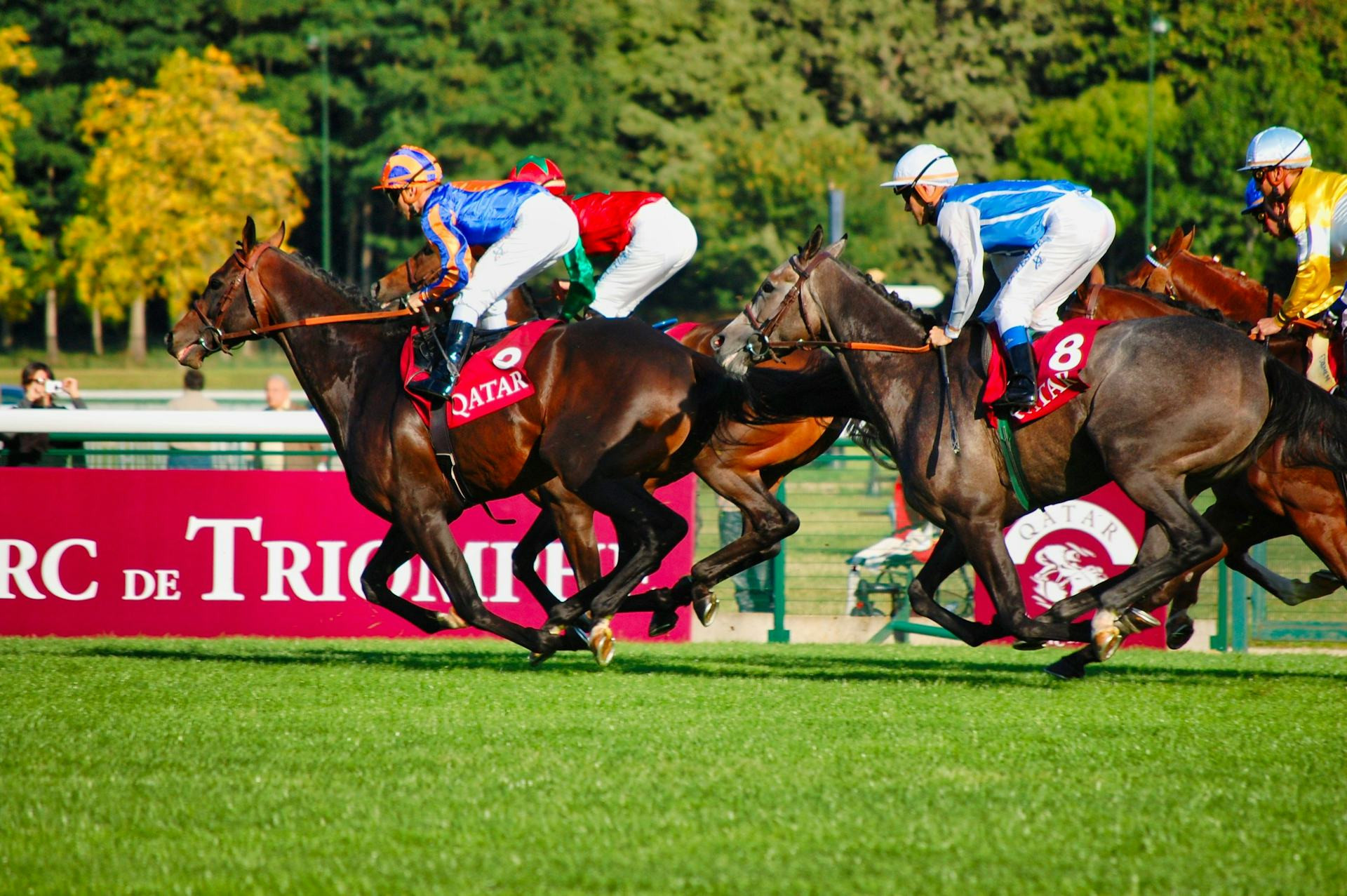
Think Long-Term – Avoid Chasing Quick Wins in Your Horse Betting
When it comes to horse betting, the temptation to go for the quick win can be hard to resist. A race looks promising, the odds seem attractive, and you feel the urge to place a big wager. But as with most forms of gambling and investing, success in horse betting rarely comes from short-term luck. It’s built on strategy, patience, and discipline. This article explores why a long-term mindset pays off and how you can build a more sustainable approach to your betting.
The Lure of Quick Wins – and the Hidden Pitfalls
Many bettors experience streaks where everything seems to go their way. It can create a sense of control and skill, but often, luck plays a bigger role than we’d like to admit. When you chase quick wins, you risk taking bigger chances, betting without proper analysis, and letting emotions drive your decisions.
That’s when things can spiral. You lose, try to win it back, and end up losing even more. Instead of treating horse betting like a marathon, it becomes a sprint—and sprints in gambling rarely end well.
Know Your Data – Learn from the Past
Long-term success in horse betting is built on knowledge. It’s about understanding patterns, analyzing races, and recognizing the factors that influence outcomes. A horse’s recent form, the jockey’s experience, track conditions, and even weather can all make a difference.
Keeping records of your bets helps you identify where your strengths and weaknesses lie. Maybe you perform better on turf tracks than dirt, or perhaps you have more success with certain distances or trainers. These insights only come when you think long-term and treat your betting as a learning process—not a lottery.
Set Realistic Goals
One of the best ways to avoid impulsive decisions is to have clear goals. Ask yourself: What do I want to achieve with my horse betting? Is it entertainment, learning, or a long-term profit goal?
Once you define your purpose, you can set boundaries for how much you’re willing to wager and how you’ll measure success. Having a plan makes it easier to stay calm when the urge to chase a big win strikes.
Bankroll Management – Your Safety Net
A cornerstone of responsible betting is bankroll management—managing your betting funds wisely. This means wagering only a small percentage of your total bankroll on any single bet, typically between 1% and 5%. That way, you can handle losses without wiping out your entire budget.
It might feel slow to bet small, but that’s exactly what keeps you in the game for the long haul. A bettor who protects their bankroll protects their ability to learn, adjust, and improve over time.
Emotions and Discipline – The Mental Game
Horse betting isn’t just about numbers and analysis—it’s also a mental challenge. The ability to stay calm after a loss, or to avoid overconfidence after a win, is crucial. Many experienced bettors talk about maintaining “emotional neutrality”: making decisions based on logic, not emotion.
Establishing routines can help. Decide in advance how many races you’ll bet on and when you’ll stop for the day. These habits prevent spur-of-the-moment decisions that often lead to regret.
Think Like an Investor – Not a Gambler
When you approach horse betting as an investment in knowledge and experience, your perspective changes. You start focusing on value—situations where the odds are in your favor over time—rather than on single wins.
That also means accepting that losses are part of the process. No strategy wins every time, but a good one wins more often than it loses in the long run. Patience is what separates the serious bettor from the impulsive one.
Læs også:

Long-Term Thinking Brings Better Results
By thinking long-term, you gain more than just financial control—you gain peace of mind. You avoid the stress of chasing losses and instead enjoy the process: the research, the preparation, and the deeper understanding of the sport.
Horse betting can be an exciting and rewarding hobby when approached with respect for both the game and yourself. The bettor who thinks long-term stands stronger—not just in their bankroll, but in their mindset.
Læs også: